


Intergrated Ovens
Add a review FollowOverview
-
Founded Date February 3, 1927
-
Sectors Sales & Marketing
-
Posted Jobs 0
-
Viewed 38

Company Description
3 Ways The Build In Oven Will Influence Your Life
The Ultimate Guide to Built-in Ovens: Enhancing Your Kitchen Experience
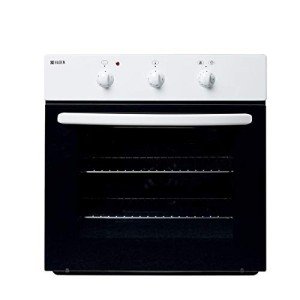
Built-in ovens have actually ended up being a popular choice in modern-day kitchen areas, using a mix of functionality, design, and benefit. Unlike conventional freestanding ovens, built-in ovens are integrated oven sizes effortlessly into kitchen cabinetry, providing a streamlined look that can boost the aesthetic appeal of any kitchen. This post checks out the different types of built-in ovens, their advantages, installation factors to consider, and upkeep pointers.
Understanding Built-in Ovens
Built-in ovens are created to be installed directly into kitchen cabinets, permitting a more tailored kitchen setup. They typically can be found in two primary types: single and double ovens.
Types of Built-in Ovens
-
Single Ovens: These units provide one cooking compartment, suitable for smaller sized cooking areas or homes where cooking demands are modest.
-
Double Ovens: As the name suggests, these systems feature 2 different cooking compartments, allowing users to cook several meals at different temperature levels concurrently. This is especially helpful for large households or those who typically entertain guests.
-
Steam Ovens: These ovens cook food utilizing steam, which can help retain wetness and nutrients. Steam intergrated ovens – https://blogfreely.net/nodenote42/watch-out-how-integrated-electric-ovens-is-Taking-over-and-what-you-can-do, are acquiring appeal due to their health benefits.
-
Mix Ovens: These flexible appliances combine the functions of a regular oven and a microwave, making them best for quick cooking and reheating.
Secret Features to Look For
When thinking about a built-in oven, there are several features that can improve your cooking experience:
-
Smart Technology: Many modern built-in ovens come geared up with wise innovation, permitting users to manage their oven remotely through smartphone apps. Functions include pre-heating the oven, adjusting cooking times, and keeping track of cooking development.
-
Self-Cleaning Functions: Built-in ovens with self-cleaning capabilities can save time and effort in kitchen upkeep.
-
Convection Heating: This function circulates hot air for even cooking, making it ideal for baking.
-
Security Features: Look for designs equipped with features like cool-to-the-touch oven doors and automated shut-off choices for added safety.
Advantages of Built-in Ovens
Aesthetic Appeal: Built-in ovens supply a smooth and modern look that can improve the general style of a kitchen. They can be incorporated into cabinetry, making them less invasive than freestanding designs.
Space Efficiency: built in ovens electric-in ovens optimize kitchen space, particularly in smaller kitchens where every inch counts. They can be positioned at eye level, making it easier to monitor cooking without bending down.
Improved Functionality: With their innovative functions, built-in ovens offer improved cooking experiences and increased performance compared to standard ovens.
Setup Considerations
Setting up a built-in oven requires careful preparation and factor to consider. Here are some key points to remember:
-
Space Requirements: Ensure that the selected oven fits comfortably into the available cabinet area. Procedure the dimensions properly, accounting for ventilation and clearance requirements.
-
Electrical Requirements: Built-in ovens typically require a devoted electrical circuit. Speak with an electrical contractor for appropriate installation.
-
Ventilation: Proper ventilation is vital for ideal oven performance. Validate that the installation location has appropriate ventilation to avoid getting too hot and make sure safe operation.
-
Professional Installation: While DIY installation might seem appealing, enlisting the aid of a professional can make sure that the oven is set up properly and safely.
Setup Steps
| Installation Step | Description |
|---|---|
| Step 1: Measure | Step the cabinet opening for your oven. |
| Action 2: Prepare | Prepare the electric outlet and ventilation alternatives. |
| Step 3: Connect | Link the oven to power, ensuring all precaution are adhered to. |
| Step 4: Secure | Secure the oven within the cabinetry, utilizing proper screws and brackets. |
| Step 5: Test | Run a test to make sure the oven is working effectively. |
Upkeep Tips
Routine upkeep can extend the life of your built-in oven and ensure ideal efficiency. Here are some maintenance tips:
-
Clean Regularly: Wipe down the oven outside and tidy the interior regularly. Usage self-cleaning functions where readily available.
-
Inspect Seals: Ensure that door seals are intact to preserve efficiency and cooking efficiency.
-
Screen Performance: Pay attention to how your oven functions– if you notice irregular cooking or uncommon sounds, it might require expert servicing.
-
Follow Manufacturer Guidelines: Always stick to the upkeep guidelines offered by the maker. This can assist avoid problems and ensure that guarantees remain legitimate.
Frequently Asked Questions about Built-in Ovens
-
What is the distinction between a built-in inbuilt oven and a freestanding oven?
- Built-in ovens are integrated range cooker into cabinetry, providing a structured appearance, while freestanding ovens are standalone appliances that can be placed anywhere in the kitchen.
-
Do built-in ovens require more maintenance than regular ovens?
- Not always. Maintenance depends on usage and cleaning routines more than the kind of oven. Routine care is necessary for all ovens.
-
Can I install a built-in oven myself?
- While it is possible to install a built-in oven yourself, it is recommended to work with an expert to make sure safe and accurate setup, especially relating to electrical requirements.
-
What are the average expenses of built-in ovens?
- Costs can differ significantly based upon brand name, functions, and specs. Basic models may start around ₤ 800, while high-end models can go beyond ₤ 3,000.
-
Are built-in ovens energy-efficient?
- Numerous modern built-in ovens are designed to be energy-efficient. Search for models with an ENERGY STAR certification for the best performance.
In conclusion, built-in ovens are an outstanding addition to any modern-day kitchen, integrating looks with functionality. By understanding the different types of built-in ovens, their features, and the associated installation and maintenance requirements, homeowners can make an informed decision that enhances their cooking experience and general kitchen style. As cooking innovation develops, built-in ovens are most likely to play an integral function in the future of home kitchens, ensuring delicious meals are prepared with ease and convenience.
