

Integrated Oven Electric
Add a review FollowOverview
-
Founded Date May 27, 1955
-
Sectors Education Training
-
Posted Jobs 0
-
Viewed 37

Company Description
17 Signs That You Work With Built In Range Oven
The Complete Guide to Built-In Range Ovens
Built-in range ovens have ended up being an essential function in modern-day kitchens, using a combination of design, performance, and convenience. With different alternatives readily available in the market, understanding what to look for in a built-in range oven can assist homeowners make informed choices customized to their cooking requirements. This extensive guide will explore built-in range ovens, their advantages, types, functions to consider, installation standards, and more.
What is a Built-In Range Oven?
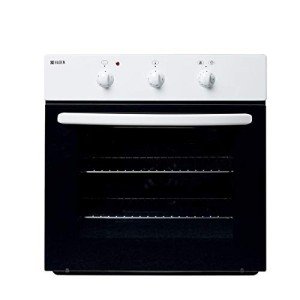
A built-in range oven, in some cases described as a wall oven or built-in oven, is a kitchen appliance integrated straight into the kitchen cabinetry. Unlike freestanding models that feature a connected cooktop, built-in ovens generally function individually of the cooking surface area. They offer a seamless, upgraded aesthetic to kitchens, improving the general design while maximizing area.
Advantages of Built-In Range Ovens
Built-in range ovens use several advantages over other kinds of ovens:
- Aesthetic Appeal: These ovens can be designed to match the cabinets style and color, giving the kitchen a harmonious and modern-day look.
- Space-Saving Design: Built-in ovens free up counter space, making them ideal for smaller sized kitchen areas or homes with open layout.
- Versatile Cooking Options: Many built-in ovens included a range of cooking modes such as convection, steam, and rotisserie, providing versatility for various cooking designs.
- Improved Accessibility: Installed at eye level, built-in ovens can be easier to load and unload without bending over or crouching.
- Energy Efficiency: Many contemporary built-in ovens featured energy-saving modes that lower electricity usage.
Kinds Of Built-In Range Ovens
There are numerous kinds of built-in range ovens to consider:
1. Electric Built-In Ovens
Electric built-in oven and hob ovens are powered by electricity and typically offer more consistent cooking outcomes. They are simple to set up and frequently included features such as self-cleaning alternatives, digital controls, and different cooking modes.
2. Gas Built-In Ovens
Gas built-in ovens use natural gas or lp as a fuel source. Numerous chefs prefer gas ovens for their immediate heat control and ability to reach heats quickly.
3. Convection Ovens
Convection built-in ovens flow hot air with a fan to cook food more equally. They can minimize cooking times and are ideal for baking and roasting.
4. Wall Ovens
Wall ovens are a particular type of built-in range oven that is vertically installed into the wall cabinets. They can typically be matched with a different cooktop or microwave.
5. Steam Ovens
Steam-built-in ovens prepare food utilizing steam, preserving nutrients and flavors. They are outstanding for health-conscious cooking and can likewise be used for reheating.
| Type | Key Features | Suitable For |
|---|---|---|
| Electric | Consistent cooking, self-cleaning | Baking and everyday cooking |
| Gas | Immediate heat control | Accuracy cooking, high heat |
| Convection | Hot air blood circulation | Baking and roasting |
| Wall | Vertical installation | Space-saving kitchen designs |
| Steam | Nutrient preservation | Health-conscious cooking |
Key Features to Consider
When selecting a built-in range oven, consider the following features:
1. Size and Capacity
Procedure the installation area thoroughly to select the right size. Built-in ovens generally come in basic sizes, such as 24″, 27″, or 30″. Capability likewise matters; larger ovens can accommodate more dishes, making them ideal for families or those who regularly captivate.
2. Cooking Modes and Functions
Different built-in ovens use a range of cooking modes. Search for options like:
- Conventional baking
- Convection baking
- Broiling
- Roasting
- Steaming
3. Controls and Smart Features
Modern built-in ovens frequently feature digital controls or smart features that permit exact temperature level modifications and cooking times. Some designs are equipped with Wi-Fi abilities for remote operation by means of an app.
4. Design and Finish
Choose a design that matches your kitchen looks. Readily available surfaces include stainless steel, black, white, or customized kitchen cabinetry panel-ready designs to seamlessly blend with the kitchen design.
5. Self-Cleaning Options
Lots of built-in ovens provide self-cleaning features that streamline upkeep. This can conserve time and effort in keeping the device in ideal condition.
Setup Guidelines
Installing a built-in range oven needs factor to consider for ventilation, electrical supply, and correct measurements. Here is a simplified setup process:
- Preparation: Measure the area and guarantee appropriate clearance for door and drawer operation.
- Electrical and Gas Connections: Ensure your home has the essential electrical supply or gas lines. It’s recommended to have a certified expert manage gas connections or complicated electrical setups.
- Ventilation: Some ovens might require external ventilation. Guarantee the kitchen design accommodates proper air flow.
- Placement: Mount the oven firmly within the cabinetry, following the maker’s guidelines to prevent overheating or inadequate support.
Frequently Asked Questions (FAQs)
1. What’s the difference between a built-in oven and a freestanding oven?
Built-in ovens are set up into the cabinetry and do not include a cooktop, while freestanding ovens are self-contained with an luxury integrated oven cooktop. Built-ins usually use a more structured look but may take more effort to install.
2. Are built-in range ovens energy-efficient?
Yes, lots of contemporary built-in range ovens are developed to be energy-efficient, featuring energy-saving modes and much better insulation compared to older models.
3. Just how much do built-in range ovens cost?
Rates for built-in range ovens can range extensively based upon brand name, features, and size. Fundamental models can start around ₤ 800, while high-end models can surpass ₤ 3,000.
4. Can I install a built-in oven myself?
While some convenient property owners may try setup, it is often best integrated oven to work with an expert to ensure safety and compliance with building regulations, specifically for gas connections.
A built-in range oven can significantly improve a kitchen’s functionality and looks. With a variety of options, features, and designs, house owners have the chance to select an unit that fulfills their cooking needs while ensuring a seamless style. Purchasing a premium built-in range oven can assist raise cooking experiences, leading the way for scrumptious meals and remarkable gatherings. When considering a brand-new build or a remodelling, integrating a built-in range oven is a sensible choice for modern-day kitchens.